
Best Arterial Catheter Options for Global Buyers in 2026?

Arterial Catheters are critical in various medical settings. They allow for precise monitoring of blood pressure and facilitate blood sample collection. According to a report by MarketsandMarkets, the global arterial catheter market is projected to reach USD 1.5 billion by 2026. This growth reflects increasing demand for minimally invasive procedures and enhanced patient monitoring.

As healthcare systems evolve, manufacturers strive to innovate arterial catheters. Features such as advanced material technology and safety mechanisms are becoming standard. For instance, catheters with integrated pressure sensors enhance the accuracy of readings. However, challenges remain. Issues like catheter-related infections and thrombus formation prompt continuous research.

The ideal arterial catheter option may differ across regions. Factors like local regulations, patient demographics, and healthcare infrastructure play a role. It is crucial for buyers to consider these elements when selecting arterial catheters. Balanced decision-making can lead to better patient outcomes and overall satisfaction in critical care environments.
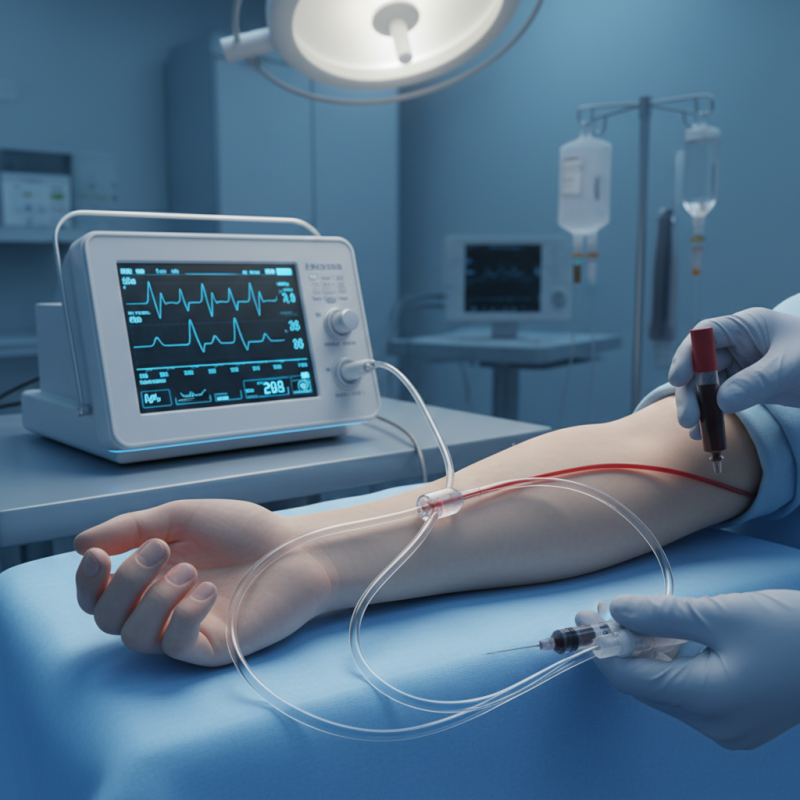
Best Arterial Catheter Options for Global Buyers in 2026?

Best Arterial Catheter Types for Global Healthcare Markets in 2026

As the global healthcare landscape evolves, the choice of arterial catheters will be pivotal in 2026. Healthcare providers will seek products that ensure accuracy and reliability. Different types of arterial catheters serve varying patient needs, leading to diverse applications in hospitals and clinics.

Common types include over-the-wire catheters and direct access catheters. Each type has unique benefits and limitations. For instance, over-the-wire catheters allow for greater maneuverability, while direct access options provide straightforward insertion. Understanding these differences is crucial for optimal use in patient care.

Tips for selecting arterial catheters:

  • Assess user feedback and clinical studies. Solid data enhances decision-making.
  • Consider the specific patient demographics. Different patients might require tailored approaches.
  • Stay updated on innovations and training opportunities. Awareness can significantly impact efficacy and safety in procedures.

The growth of arterial catheter options invites reflection on best practices. Not all innovations are universally beneficial. Providers must weigh the benefits against potential risks. Continuous education in catheter use helps mitigate complications, fostering better health outcomes.

Key Features to Evaluate When Choosing Arterial Catheters

When selecting arterial catheters, several key features must be evaluated to ensure optimal performance. Material quality is critical. Most catheters are made from polyurethane or PVC. Their flexibility and biocompatibility greatly affect insertion ease and patient comfort. Consider the catheter's size and diameter as well. Smaller sizes tend to reduce trauma but may not be suitable for all procedures.

Tip designs also warrant attention. A tapered tip allows for easier access, while a stiff introducer can facilitate insertion in challenging cases. Look for catheters featuring radiopaque markers, which improve visibility on imaging studies. It’s important to consider the catheter's length as well; a longer catheter may be necessary for deeper placements.

Additionally, safety features play an essential role in choosing an arterial catheter. Check for mechanisms that minimize the risk of infection or accidental needle sticks. Yet, even well-designed catheters can have limitations. It’s crucial to reflect on their performance in specific clinical scenarios. Not all features are universally beneficial; each case may reveal strengths and weaknesses.

Comparative Analysis of Leading Arterial Catheter Brands

In 2026, the landscape of arterial catheters will continue to evolve. This growth is driven by advances in technology and significant improvements in patient safety. Healthcare professionals demand high-quality options that ensure reliability in diverse clinical settings.

Comparative analysis of leading arterial catheter brands indicates a range of features to consider. Some catheters emphasize ease of insertion, while others focus on in-line pressure monitoring. User feedback often highlights the balance between flexibility and durability. A common concern is the catheter's ability to resist clot formation.

Each brand presents unique benefits and potential drawbacks. Many catheters perform well in routine settings, but some may not be suitable for long-term use. Clinicians must reflect on their experiences and preferences when making choices. This personalized evaluation is crucial for patient outcomes.

Regulatory Considerations for Arterial Catheter Export in 2026

In 2026, global buyers of arterial catheters must navigate complex regulatory landscapes. Each region presents distinct guidelines that exporters should meticulously follow. The World Health Organization reports that compliance failures can lead to significant penalties, including market bans. Understanding these regulations is critical for a successful business strategy.

Consider varying requirements across countries. For instance, the U.S. Food and Drug Administration mandates thorough clinical evaluations before approval. In contrast, European markets may prioritize post-market surveillance. These differences can lead to costly delays if not addressed promptly. Exporters must stay updated with local regulations to avoid misunderstandings.

**Tip:** Engage with local regulatory experts. Their insights can streamline the approval process.

Documentation is another essential area. Accurate labeling and quality assurance records can differentiate compliant products from those facing scrutiny. Ensuring these details align with international standards reduces the risk of complications during exports.

**Tip:** Regularly review your documentation practices. Inexact records can create bottlenecks.

As the market evolves, continual education on regulatory frameworks is vital. This helps exporters adapt quickly, ensuring that they meet the needs of global buyers while maintaining product integrity.

Future Trends in Arterial Catheter Technology and Innovations

The arterial catheter market is evolving rapidly. In 2026, innovations will focus on enhancing patient safety and comfort. According to a recent report from Allied Market Research, the global arterial catheter market is expected to reach USD 1.5 billion by 2026. This growth is driven by technological advancements and increased demand for vascular procedures.

Future trends include the integration of smart technology in catheter designs. Wearable sensors may offer real-time data on hemodynamics. This information can help clinicians make timely decisions. However, the challenge lies in ensuring data security and the reliability of these devices. The balance between innovation and patient safety is crucial.

Additionally, there is a growing need for biocompatible materials. This can reduce the risk of infection and improve patient outcomes. Yet, the transition to new materials may face regulatory hurdles. Experts warn that careful testing is often necessary before widespread adoption. This highlights the need for continued research and development in the arterial catheter field.

Best Arterial Catheter Options for Global Buyers in 2026? - Future Trends in Arterial Catheter Technology and Innovations

Catheter Type Material Size (French) Innovative Feature Expected Price Range (USD)
Standard Arterial Catheter Polyurethane 3-8 Radiopaque Markers $30 - $50
Tunable Arterial Catheter PVC 4-10 Temperature-responsive $40 - $70
Antimicrobial Coated Catheter Silicone 5-7 Infection Prevention $50 - $90
Ultrasound-guided Catheter Polyurethane 4-8 Integrated Imaging $60 - $100
High-flow Catheter Polyethylene 6-12 Enhanced Flow Rate $70 - $120
Cell Projects Ltd
Privacy Overview

This website uses cookies so that we can provide you with the best user experience possible. Cookie information is stored in your browser and performs functions such as recognising you when you return to our website and helping our team to understand which sections of the website you find most interesting and useful.