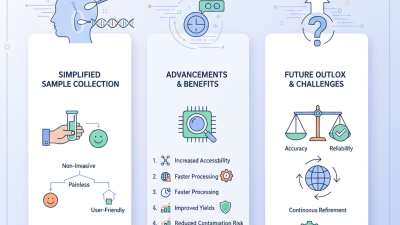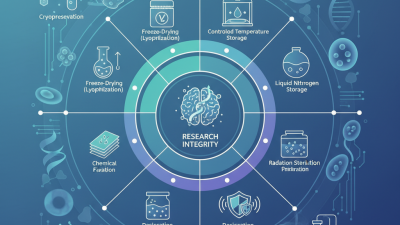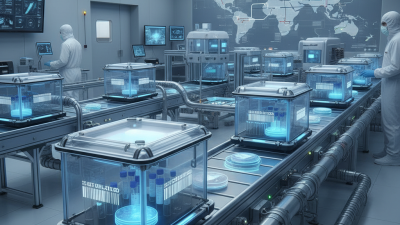
In 2026, DNA sample collection has evolved significantly. New techniques and technologies have emerged, making the process more accessible and reliable. Understanding effective methods is essential for researchers, medical professionals, and anyone involved in genetic testing.
Collecting DNA samples accurately requires attention to detail. The right tools and methods can enhance the quality of the samples. However, there are still challenges to overcome. For instance, maintaining sample integrity during transportation can be problematic. Awareness of potential contamination is crucial.
The rise of non-invasive sampling methods has expanded possibilities. saliva, skin swabs, and even hair can be used. While these techniques are beneficial, they come with their own considerations. Ensuring proper consent and understanding participant expectations is vital. Effective DNA sample collection is not just a technical procedure; it involves human factors and ethical responsibilities.
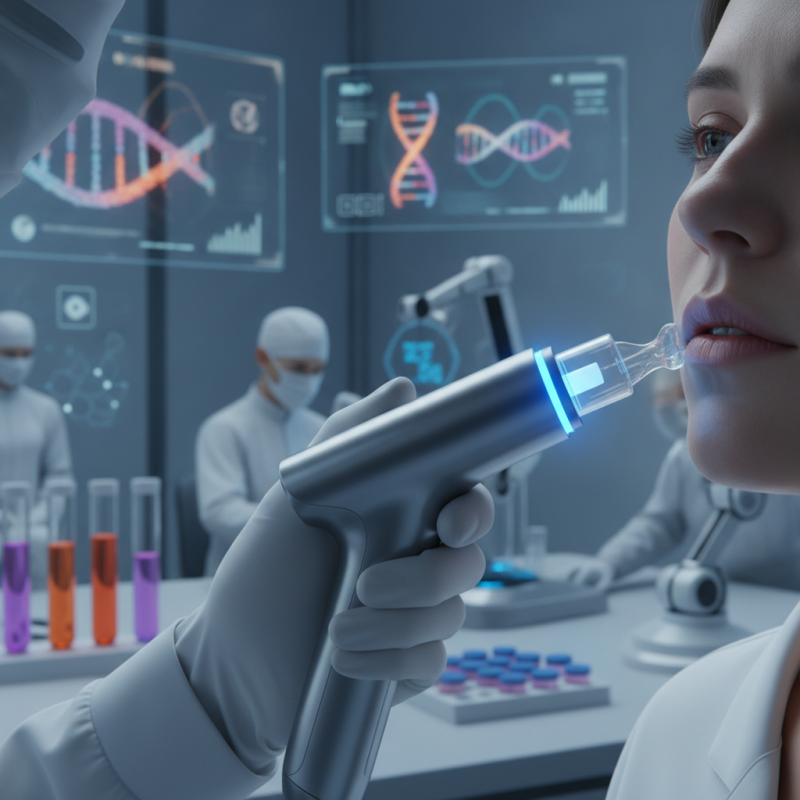
DNA sampling plays a crucial role in advancing modern science. This process aids in understanding genetic diseases, criminal investigations, and ancestral lineage. By collecting high-quality samples, researchers unlock insights that were previously unattainable.
In 2026, effective techniques for DNA sample collection will evolve. Utilizing non-invasive methods can simplify the process. Techniques such as saliva collection or buccal swabs may become the standard. However, issues like contamination can undermine results. Ensuring a sterile environment is vital for reliable outcomes.
Collaboration among scientists, ethicists, and the public is essential. This dialogue fosters trust in DNA sampling methods. Questions about privacy and consent must be openly addressed. Building rapport with the community enhances participation. Understanding the implications of DNA sampling strengthens its application in society.
| Sample Type | Collection Method | Storage Conditions | Application Areas |
|---|---|---|---|
| Blood | Venipuncture or Fingerstick | 2-8 °C | Genetic Testing, Disease Diagnosis |
| Saliva | Saliva Kit (Spitting into a Collection Tube) | Room Temperature | Ancestry Testing, Disease Risk Assessment |
| Hair | Plucking or Cut Hair Samples | Room Temperature | Forensic Analysis, Paternity Testing |
| Buccal Swabs | Cotton Swab Inside Cheek | Room Temperature | Forensic Analysis, Genetic Disorder Screening |
| Tissue | Biopsy Procedures | -80 °C or Liquid Nitrogen | Cancer Research, Genetic Studies |
Choosing the right tools for DNA collection is crucial in 2026. The advancements in technology have led to a variety of collection kits. These kits range from simple swabs to sophisticated kits tailored for specific scenarios. Understanding which tool suits your needs is essential for obtaining quality samples.
Swab collection is popular for its simplicity. A sterile swab can collect buccal cells easily. However, environmental factors can affect its efficacy. Contamination and improper handling may yield unreliable results. In contrast, liquid collection methods can often provide more consistent outcomes. These methods might be more complicated, requiring specialized training.
The technique you choose is equally important. Sample storage conditions must be optimal to preserve DNA integrity. Mishandling can render a sample unusable. It's crucial to educate those collecting samples about best practices. Knowledge gaps may lead to errors, making training an ongoing necessity in any collection scenario.
This chart illustrates the effectiveness rating of different DNA sample collection tools and techniques for 2026, based on their ease of use and reliability. It helps identify which methods are most suitable for effective DNA collection in various scenarios.
When collecting DNA samples, ensuring safety and accuracy is paramount. The Global Forensic DNA Database has shown a significant rise in the use of DNA collection for various applications, including criminal justice and ancestry testing. Following structured protocols can boost the integrity of the samples collected. Start with clean hands and utilize sterile tools. This minimizes contamination. A study by the American Academy of Forensic Sciences emphasizes that even minute contaminants can affect results.
Using the right collection method is crucial. Swabs are often utilized due to their ease of use and reliability. Each swab should be moistened appropriately, but be cautious not to saturate it. Dry swabs may also yield compromised samples. Industry guidelines recommend using separate swabs for different areas or purposes to avoid cross-contamination. Ensure samples are stored in a cool, dry place, as temperature fluctuations can degrade DNA.
Despite strict protocols, errors can still occur. Factors like human error and environmental conditions can play a role. Regular training for personnel involved in collection is essential. Additionally, it’s advisable to review and refine processes regularly based on feedback and new research. This continual improvement approach fosters reliability and enhances the overall quality of DNA sampling efforts.
Handling and storing DNA samples requires precision and care. Proper techniques can prevent contamination and degradation. According to the National Institute of Standards and Technology, approximately 25% of DNA samples may become degraded during improper handling. Using sterile equipment and appropriate storage conditions is essential for maintaining sample integrity.
Temperature control is vital. DNA should be stored at -20°C or lower to prevent denaturation. Many laboratories fail to maintain these conditions consistently. Regular monitoring of storage units is critical. Implementing a systematic log can help track conditions over time, mitigating potential issues.
Documentation is often overlooked but critical. Each sample must have detailed records. The chain of custody should be clear and dated. A lack of proper documentation can lead to disputes about sample authenticity. Professionals recommend using barcodes or RFID systems for tracking. These systems can enhance accuracy and efficiency. However, mistakes can still happen. Regularly reviewing protocols and updating practices ensures continuous improvement in DNA sample management.
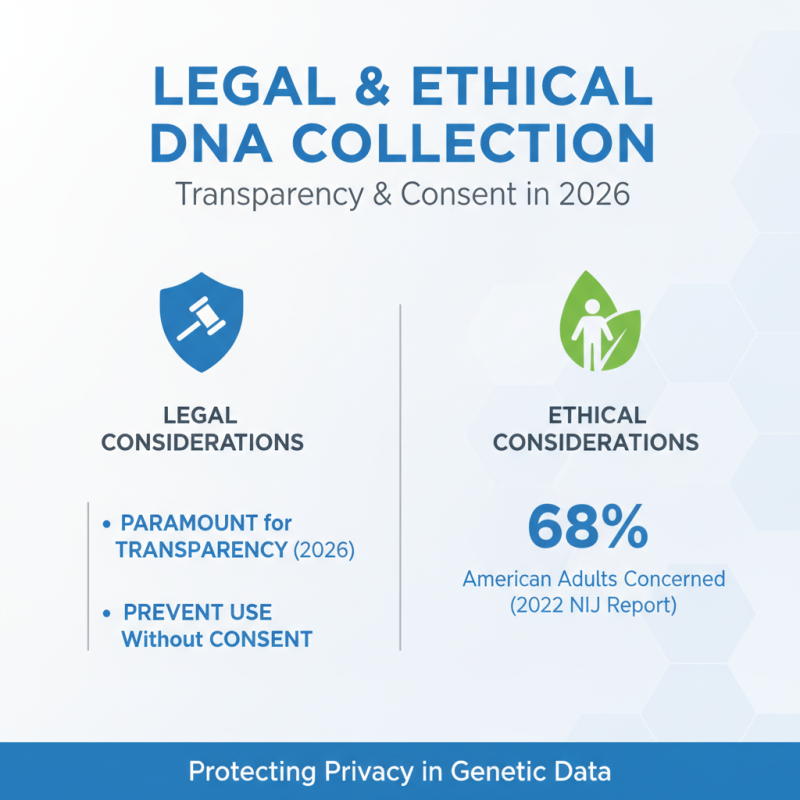
The collection of DNA samples is surrounded by significant legal and ethical considerations. In 2026, the need for transparency in collecting DNA data is paramount. According to a 2022 report from the National Institute of Justice, nearly 68% of American adults express concerns about how their DNA data may be used without consent.
Consent remains the cornerstone of ethical DNA collection. Researchers must ensure individuals fully understand how their samples will be used and stored. The U.S. Department of Health and Human Services emphasizes the importance of informed consent in all biomedical research. Individuals should not feel coerced into providing DNA, which complicates ethical boundaries. A survey by the Genetics Society found that only 44% of people know their rights regarding DNA participation, raising the question of whether more education is needed.
Privacy issues are also critical. Safeguarding DNA data from unauthorized access is essential to maintain public trust. The Association for Molecular Pathology released guidelines recommending strict data protection measures. However, critiques highlight that existing legal frameworks often lag behind technological advancements. Addressing these gaps is vital for ethical compliance while fostering innovation in DNA research.