
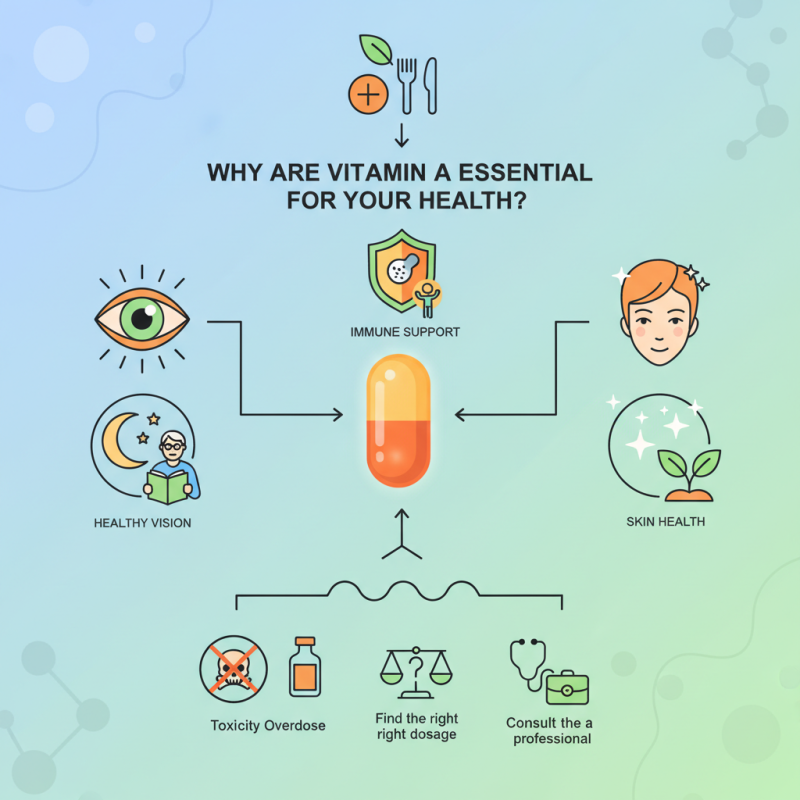
Vitamin A is a crucial nutrient, vital for maintaining overall health. Many individuals overlook the importance of Vitamin A Supplements. These supplements play a significant role in supporting vision, immune function, and skin health. Without adequate Vitamin A, one may face various health issues.
Research highlights that Vitamin A is essential for eye health. It helps prevent night blindness and age-related decline in vision. Additionally, it plays a role in bolstering the immune system. This makes it easier for the body to fight off infections. Many people might not get enough Vitamin A from their diet alone, making supplements necessary.
Despite the benefits, some may take too much, leading to toxicity. It's essential to find the right dosage. Consulting a healthcare professional is advisable before starting any supplement regimen. Vitamin A Supplements can be life-changing, but understanding their proper use is key.
Vitamin A plays a crucial role in maintaining body function and enhancing immunity. This fat-soluble vitamin is vital for vision, skin health, and cellular communication. According to the World Health Organization, deficiency in vitamin A can lead to severe health issues, including impaired immune function and increased susceptibility to infections. Approximately 250 million children worldwide suffer from vitamin A deficiency, which significantly affects their health and development.
The immune system relies heavily on vitamin A. It helps produce white blood cells that fight off infections. A study published in the Journal of Nutrition found that proper levels of this vitamin increased the effectiveness of vaccines in children. The body requires retinoids, active forms of vitamin A, found in animal products. However, provitamin A carotenoids from plant sources are also essential. These carotenoids convert to retinol in the body, supporting immune responses.
Many people overlook the importance of vitamin A. Deficiencies can arise from malnutrition or poor absorption. Even individuals with a balanced diet may not get enough of it due to factors like aging and digestive disorders. Regular check-ups can help monitor vitamin A levels, ensuring optimal health. Investing in vitamin A-rich foods may lead to better immune function and overall well-being.
| Aspect | Description | Sources | Recommended Daily Allowance (RDA) |
|---|---|---|---|
| Vision | Vitamin A is essential for maintaining good vision, particularly in low-light conditions. | Carrots, sweet potatoes, dark leafy greens | 900 mcg for men, 700 mcg for women |
| Immune Function | Vitamin A plays a crucial role in strengthening the immune system, helping to fight off infections. | Liver, egg yolks, fortified dairy products | 900 mcg for men, 700 mcg for women |
| Skin Health | Vitamin A helps to maintain healthy skin, promoting cell production and repair. | Pumpkin, apricots, spinach | 900 mcg for men, 700 mcg for women |
| Reproductive Health | Vitamin A is important for reproductive health and fetal development during pregnancy. | Fish liver oil, cheese, beef | 900 mcg for men, 700 mcg for women |
| Antioxidant Properties | Vitamin A functions as an antioxidant, protecting cells from damage. | Red bell peppers, tomatoes, strawberries | 900 mcg for men, 700 mcg for women |
Vitamin A is vital for maintaining several bodily functions, including vision, immune response, and skin health. It exists in two primary forms: preformed vitamin A and provitamin A carotenoids. Preformed vitamin A, found in animal sources like liver and fish, is readily used by the body. This form is crucial for those needing immediate sources of vitamin A, particularly for eye health.
Provitamin A carotenoids, on the other hand, are abundant in fruits and vegetables like carrots and spinach. The body converts these carotenoids into active vitamin A. This conversion process can be inefficient for some, especially in those with specific dietary needs or health conditions. Thus, understanding the sources and forms of vitamin A can help individuals choose appropriate supplements.
Some may hesitate to take supplements, believing dietary intake suffices. However, factors like absorption rates and individual health can create gaps in nutrition. For example, older adults or individuals with certain health conditions may struggle to absorb nutrients effectively. This discrepancy highlights the importance of assessing personal dietary needs when considering vitamin A intake. Engaging with a healthcare professional can provide personalized insights into proper supplementation.
Vitamin A is vital for many bodily functions. It supports vision, immune function, and skin health. Understanding recommended dosages and safe intake levels is crucial for overall well-being. The recommended daily allowance (RDA) varies. For adult men, it is around 900 micrograms and 700 micrograms for adult women. This should be your goal. Exceeding this intake may lead to toxicity.
Consuming too much vitamin A can have serious effects. Symptoms include dizziness, nausea, and even liver damage in severe cases. People often overlook their dietary sources. Foods like carrots, sweet potatoes, and leafy greens provide this essential vitamin. Balance is key. Incorporate a variety of sources into your diet.
Tips: When considering supplements, consult a healthcare professional. They can help assess your specific needs. Regular check-ups can ensure you’re within safe limits. Be cautious if you’re pregnant, as too much vitamin A can harm the fetus. Listen to your body’s signals.
Vitamin A is crucial for various bodily functions. A deficiency can lead to serious health issues. Common signs include dry eyes and night blindness. Skin changes can also occur, leading to rough patches. In severe cases, this deficiency may impair immune function, increasing the risk of infections.
To maintain healthy vitamin A levels, consider incorporating more beta-carotene-rich foods into your diet. Foods like carrots, sweet potatoes, and spinach are excellent sources. Aim for a colorful plate to maximize nutrient intake. If you notice symptoms, consult a healthcare professional for advice.
Regular eye exams can help detect early signs of deficiency. Keeping track of your dietary habits is also beneficial. Assessing your nutrient intake helps identify potential gaps. Reflecting on your daily meals may reveal a need for change. Remember, a balanced diet is essential for overall health.
Vitamin A plays a crucial role in maintaining various bodily functions. This chart illustrates the prevalence of symptoms associated with Vitamin A deficiency. Night blindness is the most common symptom, followed by dry skin and immune system issues.
Vitamin A is vital for maintaining good health. However, excessive intake can lead to serious side effects. It is essential to understand these risks. Too much vitamin A can cause toxicity, which may result in headaches, dizziness, and nausea. In severe cases, it can affect liver function and lead to liver damage.
The body stores vitamin A in the liver. This means high doses from supplements can build up quickly. Symptoms of overdose include skin irritation and blurred vision. Some individuals may also experience bone pain or even fractures. It's crucial to be mindful of your intake, especially if you consume fortified foods or multivitamins.
Consulting a healthcare professional is wise when considering supplements. They can provide guidance tailored to your health needs. Keeping a balanced diet may often be enough to meet your vitamin A requirements. Focus on natural sources like carrots or sweet potatoes. Over-reliance on supplements can be an area for personal reflection in your health journey.