What is Buccal Swab Technology and Its Benefits for Testing?

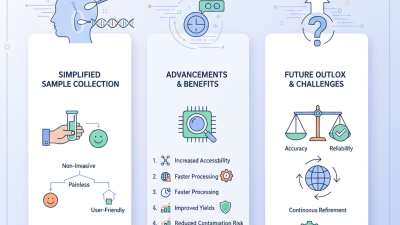
Buccal swab technology is revolutionizing the field of medical testing. This non-invasive method collects DNA samples using a simple swab inside the cheek. Recent studies show that buccal swabs can provide accurate genetic information comparable to blood samples. A report by the National Center for Biotechnology Information highlights a 95% accuracy rate for identifying genetic markers with this technology.

The benefits of buccal swab technology extend beyond accuracy. It is user-friendly and safe, making it ideal for various demographics. Children, the elderly, and those with needle fears can easily participate in testing. According to market projections, the global buccal swab market is expected to grow by over 7% annually, reflecting increasing adoption in healthcare and research.

However, challenges remain. Not all testing scenarios can effectively use buccal swabs. Factors like sample degradation and user error can impact results. Researchers continue to explore improvements in sample collection and processing. Attention to these issues is crucial for enhancing the reliability of buccal swab technology.
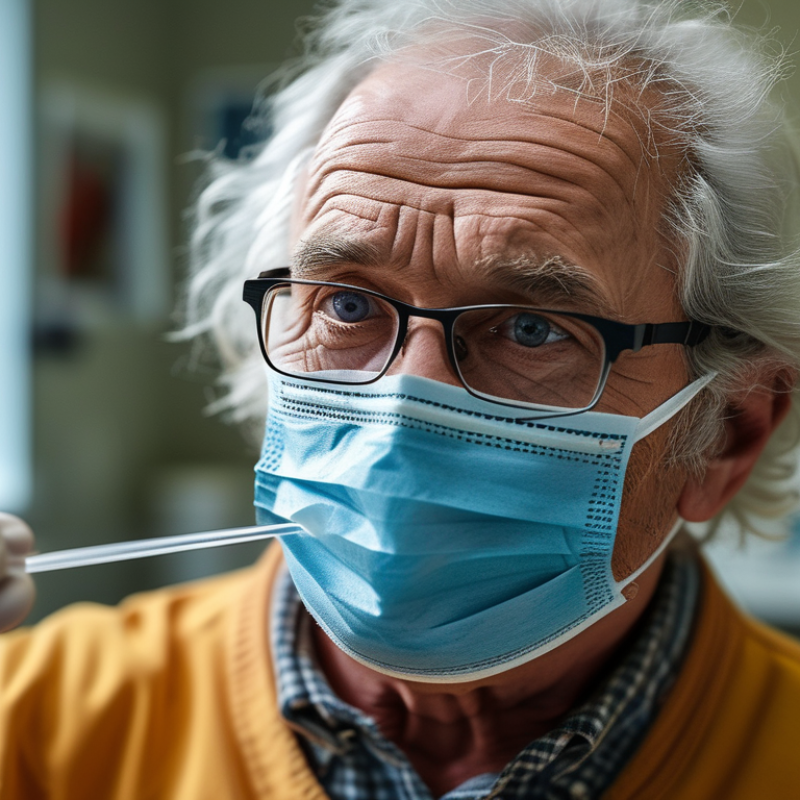
What is Buccal Swab Technology and Its Benefits for Testing?

Understanding Buccal Swab Technology: An Overview

Buccal swab technology has emerged as a vital tool in various testing fields, especially in genetic and health diagnostics. This method involves collecting a sample from the inside of a person's cheek, a process that is non-invasive and simple. According to a report by MarketsandMarkets, the global saliva testing market is projected to reach $9.3 billion by 2026, highlighting the growing interest and reliability of this testing method.

One of the key benefits of buccal swabs is their ease of use. Individuals can collect their samples without needing medical assistance. Studies suggest that buccal swabs can offer comparable accuracy to traditional blood tests in certain applications, such as genetic testing. However, variability in saliva composition can sometimes affect results, indicating that extensive validation remains crucial in specific populations. Another report from the National Institutes of Health indicates that while buccal swabs can be highly effective, they may not replace all traditional testing methods.

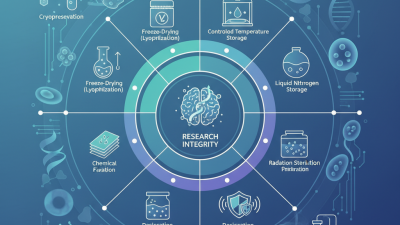
Furthermore, the technology has broad applications, including pathogen detection and drug testing. In a study published in the Journal of Clinical Microbiology, buccal swabs detected respiratory viruses with impressive sensitivity. However, some challenges still exist. The storage and transportation conditions of samples significantly impact the reliability of test results. Such factors must be continually assessed to maximize the potential of buccal swab technology in medical and forensic settings.

The Process of Collecting Buccal Swab Samples

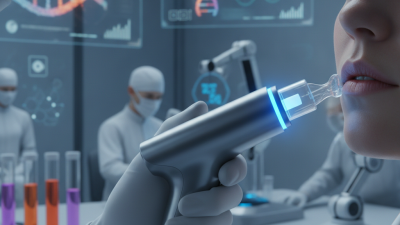
Buccal swab technology is gaining attention for its simplicity and efficiency in sample collection. The process involves using a soft swab to collect cheek cells from the inside of a person's mouth. This method is particularly valuable in diverse settings, from genetic testing to infectious disease diagnostics. According to research, buccal swabs can yield DNA quality comparable to conventional blood sampling, making them a reliable choice in clinical assessments.

The procedure for collecting a buccal swab is straightforward. The swab is gently rubbed against the inner cheek for about 30 seconds. This short duration ensures minimal discomfort while maximizing cell collection. It's critical to avoid food, drink, and oral hygiene products for at least 30 minutes prior to swabbing. This ensures that the sample is uncontaminated and more suited for accurate testing. Reports indicate that this method is effective for 75% of genetic tests, demonstrating its reliability.

Users might find challenges in ensuring correct sample collection. Variability in user technique can affect results. Some studies suggest training or instructional materials could improve consistency. Nonetheless, the rising popularity of buccal swabs signifies a shift toward more accessible testing methods, highlighting both efficacy and practicality in modern healthcare.

Advantages of Buccal Swab Testing Compared to Traditional Methods

Buccal swab technology provides a non-invasive method for collecting genetic material. This method has several benefits compared to traditional blood tests. One significant advantage is its ease of use. Collecting a sample is quick and requires no medical training. Patients can take their samples at home, minimizing anxiety and discomfort.

Buccal swab testing is generally more cost-effective. It reduces the need for clinics and professionals, resulting in lower healthcare costs. Additionally, the procedure avoids the risks associated with needles and blood draws. This makes it a safer option for individuals who may fear such procedures. The simplicity of the buccal swab also facilitates more frequent testing, which can be crucial in certain medical situations.

When considering buccal swab testing, choose a reliable kit. Ensure it meets quality standards. Even though this method is straightforward, follow instructions carefully for accurate results. Reassess your comfort levels with different testing methods. Each option has its own benefits and drawbacks.

Buccal Swab Testing Advantages Compared to Traditional Methods

This chart illustrates the benefits of buccal swab testing in comparison to traditional blood testing methods based on various factors such as ease of use, cost, invasiveness, and accuracy.

Applications of Buccal Swab Technology in Medical Testing

Buccal swab technology offers a non-invasive method for collecting genetic and biological data. This technique allows medical professionals to gather samples easily from the inside of a patient's cheek. The simplicity of this process encourages participation, especially in communities hesitant about traditional blood tests.

Applications of buccal swabs include genetic testing, DNA profiling, and disease screening. These swabs can identify markers related to various conditions, helping in early diagnosis. Researchers often use them in studies to understand genetic predispositions without the discomfort associated with needles. Moreover, they facilitate large-scale screening programs efficiently, adhering to ethical standards.

Despite the advantages, some limitations exist. Not everyone may provide an adequate sample. Improper collection can yield inconclusive results. This inconsistency raises concerns about reliability, particularly in critical health assessments. Further development in training and procedures could enhance accuracy and confidence in buccal swab technology.

What is Buccal Swab Technology and Its Benefits for Testing?

Dimension Description
Sample Collection Non-invasive method using cheek cells for DNA extraction.
Advantages Easy to use, reduces risk of infection, painless.
Applications Genetic testing, paternity testing, pharmacogenomics.
Storage and Stability Stable at room temperature for extended periods, easy to transport.
Limitations Lower yield in some cases compared to blood samples, requires trained personnel for proper collection.

Future Trends and Innovations in Buccal Swab Testing

Buccal swab testing is gaining traction in various healthcare sectors due to its non-invasive nature. Reports indicate that the global buccal swab market is expected to reach $2.5 billion by 2025, driven by innovations in genetic testing and disease diagnostics. This method offers a simple way to collect DNA samples, making it critical for personalized medicine.

Future trends in buccal swab technology focus on enhancing accuracy and usability. Emerging innovations could involve advanced genomic sequencing techniques that provide faster results. Research indicates that the accuracy of buccal swab tests may improve by 20% with these advancements. However, challenges remain, such as ensuring proper sample collection and storage.

For best results, consider the timing of the swab collection. Testing right after eating or drinking can lead to contamination. Additionally, proper training on sample handling is essential for reliability. Understanding these nuances can significantly impact the effectiveness of testing.

Cell Projects Ltd
Privacy Overview

This website uses cookies so that we can provide you with the best user experience possible. Cookie information is stored in your browser and performs functions such as recognising you when you return to our website and helping our team to understand which sections of the website you find most interesting and useful.