2026 Top Molecular Diagnostics Technology Trends for Buyers?

The landscape of molecular diagnostics technology is rapidly evolving. As of 2023, the global molecular diagnostics market was valued at approximately $11.3 billion and is projected to grow significantly. This growth stems from an increasing demand for early and accurate disease detection, particularly for cancer and infectious diseases. The integration of advanced technologies, such as next-generation sequencing and CRISPR, is reshaping how diagnostics are performed.

However, buyers must navigate this complex terrain carefully. While the promise of these technologies is substantial, the rapid pace of innovation presents challenges. Many companies are still striving to validate their products against established standards. Users must remain vigilant about the effectiveness and reliability of new molecular diagnostics tools. According to a report from Grand View Research, the market is expected to expand at a compound annual growth rate (CAGR) of 10.6% from 2024 to 2030.

As we look ahead to 2026, understanding these trends in molecular diagnostics technology becomes paramount for informed purchasing decisions. Stakeholders must consider aspects such as regulatory compliance, cost-effectiveness, and clinical utility. Balancing innovation with proven efficacy will be critical in making sound investments in this dynamic field.

2026 Top Molecular Diagnostics Technology Trends for Buyers?

Emergence of Personalized Medicine in Molecular Diagnostics

Personalized medicine is reshaping the landscape of molecular diagnostics. This approach tailors medical treatment to individual characteristics, needs, and preferences. Physicians can now leverage genetic information to make informed decisions that enhance patient outcomes. For instance, understanding a patient's genetic background can lead to more effective therapies and reduce the risk of adverse reactions.

Adoption of personalized medicine introduces challenges. While genetic testing offers profound insights, interpretation of results can be complex. Healthcare professionals need adequate training. Furthermore, not all patients may have equal access to advanced diagnostics, raising ethical concerns. Addressing these inequalities is crucial to ensuring that personalized medicine reaches all demographics.

Emerging technologies in molecular diagnostics are paving the way for greater precision. Innovations like next-generation sequencing and liquid biopsies allow for more efficient detection and monitoring of diseases. However, as the field advances, it calls for continuous reflection on the implications of these technologies. Ethical considerations, patient privacy, and the accuracy of test results must take center stage in this evolving landscape.

Advancements in Biomarker Discovery and Analysis Techniques

The field of molecular diagnostics is experiencing rapid developments, particularly in biomarker discovery and analysis techniques. Recent studies indicate that the molecular diagnostics market is projected to reach approximately $21 billion by 2026, highlighting a growing interest in precise testing methods. With advancements in genomics and proteomics, researchers are unveiling new biomarkers that could revolutionize disease detection and monitoring.

Techniques such as next-generation sequencing (NGS) and liquid biopsy are significantly enhancing the capabilities of clinical diagnostics. NGS, for instance, allows for high-throughput analysis of genetic material, enabling the identification of mutations associated with various diseases. A report from the Journal of Molecular Diagnostics states that NGS can improve detection rates by more than 30% compared to conventional methods. Despite these advancements, challenges in data interpretation and standardization remain. Many laboratories struggle with the complexity of data generated, which can lead to misinterpretation of results.

Liquid biopsies present another innovative approach, offering a non-invasive way to analyze circulating tumor DNA. They enable real-time monitoring of tumor dynamics, yet the technology is still evolving. Reports indicate that while liquid biopsies show promise, only a fraction of clinical laboratories currently implement them effectively. This highlights a gap that needs addressing for better integration into routine diagnostics.

Integration of Artificial Intelligence in Diagnostic Tools

The integration of artificial intelligence (AI) in molecular diagnostics is transforming healthcare. AI algorithms analyze vast datasets quickly, improving diagnosis accuracy. According to a report by MarketsandMarkets, the AI in healthcare market is expected to reach $45.2 billion by 2026, with diagnostics as a significant driver. This growth highlights how AI enhances predictive analytics and decision-making in diagnosis.

AI tools, however, present challenges. The accuracy of AI models relies heavily on the quality of data provided. If the input is biased or incomplete, the results can be misleading. For instance, a study published in the Journal of Clinical Pathology pointed out that some AI systems struggle with rare disease identification. This raises concerns about over-reliance on these technologies without proper oversight.

Ethical considerations also emerge. Patient data privacy is paramount. As AI systems process sensitive information, safeguarding patient confidentiality becomes critical. A report from the World Health Organization emphasizes the need for robust frameworks governing AI applications in healthcare. Addressing these issues is vital for building trust and ensuring the safe use of AI in diagnostics.

Trends in Non-Invasive Testing Methods and Sample Collection

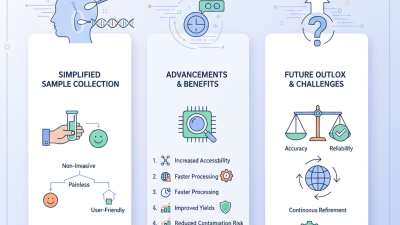
The landscape of molecular diagnostics is evolving rapidly, particularly in non-invasive testing methods. These innovations are streamlining sample collection techniques, making them more accessible and patient-friendly. For instance, saliva and urine samples are gaining popularity, reducing the discomfort associated with traditional blood draws. The advancements in microfluidics and point-of-care testing are amplifying this trend, allowing for quicker and more efficient results.

Non-invasive testing methods are becoming increasingly reliable. Patients are more likely to participate when testing is less invasive. Some may still question the accuracy of results from such samples. However, ongoing research aims to bridge this concern. As technology improves, the correlation between non-invasive tests and traditional methods will become clearer. Additionally, self-collection kits are on the rise, empowering patients to take charge of their health. Interestingly, while these advancements promote convenience, they also challenge healthcare providers to ensure patient guidance remains integral. Engaging patients in understanding the importance of proper sample collection will be essential for future success.

2026 Top Molecular Diagnostics Technology Trends

This chart illustrates the projected growth in various non-invasive testing methods and sample collection trends in molecular diagnostics for the year 2026. The data reflects the expected adoption rates of different technologies among healthcare providers.

Regulatory Changes Affecting Molecular Diagnostics Innovations

Regulatory changes play a crucial role in shaping molecular diagnostics. With evolving policies, manufacturers must adapt to new guidelines swiftly. These regulations ensure safety and efficacy, but they can also delay innovation. Keeping pace with these changes is essential for industry stakeholders.

Staying informed about regulatory updates is vital. Attend industry seminars and webinars to grasp emerging trends. Collaborate with regulatory experts to navigate complex guidelines. This knowledge can enhance product development and compliance.

Monitoring reaction to regulatory shifts can provide insights into market dynamics. Companies must engage with stakeholders regularly. Collect feedback to pinpoint areas needing improvement. This proactive approach can foster innovation, ultimately benefiting patients.

Cell Projects Ltd
Privacy Overview

This website uses cookies so that we can provide you with the best user experience possible. Cookie information is stored in your browser and performs functions such as recognising you when you return to our website and helping our team to understand which sections of the website you find most interesting and useful.